
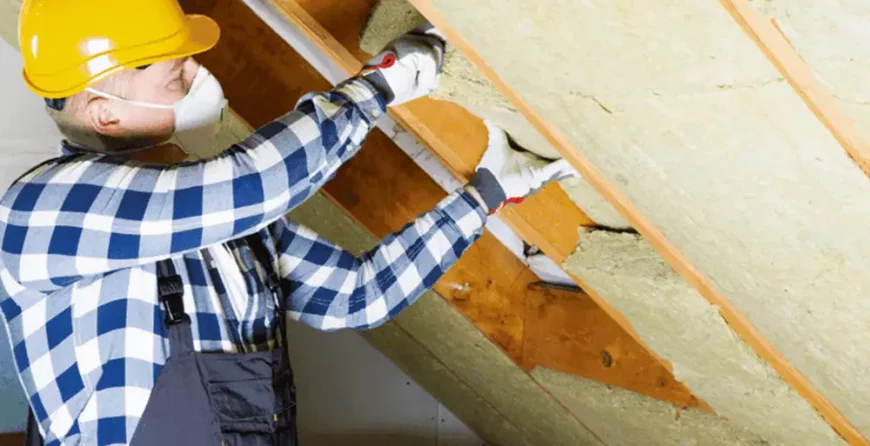
Fire Resistant Insulation: Why Stone Wool is a Smart Choice
Fire safety is an important consideration for homeowners in South Africa, especially when choosing materials for ceilings, walls, and roofs. While many types of insulation offer thermal benefits, not all provide the same level of fire resistance. Stone wool insulation stands out as one of the better options when fire performance is a priority.
This article explains why stone wool is often recommended for fire-resistant applications and what homeowners should know when considering it for their homes.
What is Stone Wool Insulation?
Stone wool, also known as mineral wool or rockwool, is made from natural volcanic rock (primarily basalt) that is melted at high temperatures and spun into fine fibres. These fibres are then formed into boards or mats of varying densities.
Because it is made from stone, stone wool has inherent properties that make it different from many other insulation materials, particularly when it comes to fire behaviour.
Why Stone Wool Performs Well in Fire
Stone wool is non-combustible. It does not burn, melt, or drip when exposed to high temperatures. It can typically withstand temperatures above 1,000°C without losing its structural integrity or producing significant amounts of smoke or toxic gases.
This is a key advantage in fire situations. Many insulation materials can contribute to the spread of fire or release smoke that makes escape more difficult. Stone wool, by contrast, helps limit fire spread and maintains a barrier for longer periods.
Its fire performance makes it suitable for use in fire-rated walls, ceilings, and partitions where building regulations or safety concerns require enhanced protection.
Additional Benefits of Stone Wool Insulation
While fire resistance is one of its strongest features, stone wool also offers other practical advantages:
- Thermal Performance: It helps regulate indoor temperatures by reducing heat gain in summer and heat loss in winter.
- Sound Absorption: The dense fibre structure absorbs sound effectively, making it useful for reducing noise between rooms or from outside.
- Moisture Resistance: Stone wool is water-repellent and does not promote mould growth, which helps it maintain performance even in humid conditions.
- Durability: It holds its shape over time and does not sag or compress, meaning its fire and thermal performance remains consistent for many years.
These combined properties make stone wool a versatile choice for homeowners who want more than just basic thermal insulation.
Where Stone Wool Insulation is Commonly Used
Stone wool is particularly well suited for the following applications:
- Ceiling and roof insulation where fire safety is a concern
- Internal walls and fire-rated partitions
- Areas around chimneys, flues, or electrical installations
- Homes where soundproofing is also desired alongside fire protection
Its ability to perform multiple roles (fire resistance, thermal insulation, and sound absorption) makes it a practical option for both new builds and renovations.
What Homeowners Should Consider
When choosing fire-resistant insulation, it is important to look at the overall requirements of the project. Factors such as the required fire rating, thickness needed, and installation method all play a role in the final performance.
Professional installation is generally recommended for fire-rated applications to ensure the material is fitted correctly and achieves the intended level of protection. Proper installation also helps maintain the insulation’s thermal and acoustic performance.
Homeowners should also consider the climate and specific needs of their property. For example, properties in coastal areas may benefit from stone wool’s moisture resistance, while those in urban environments may value its sound-absorbing qualities.
Final Thoughts
Rockwool insulation offers a strong combination of fire resistance, thermal performance, and durability. Its non-combustible nature and ability to maintain structural integrity at high temperatures make it a sensible choice for homeowners who want to improve both safety and comfort in their homes.
While it may come at a higher cost than some other insulation types, many people consider the added fire protection and long-term performance worthwhile.
If you are planning to insulate your home and fire safety is an important factor, stone wool is worth considering as part of your options.