
Rockwool Insulation: Key Benefits for South African Homes
South Africa’s climate presents unique challenges for homeowners. Hot summers, cold winter nights in many regions, and varying humidity levels mean that insulation plays an important role in keeping homes comfortable while managing energy use. At the same time, fire safety and noise reduction are growing priorities in both urban and suburban areas.
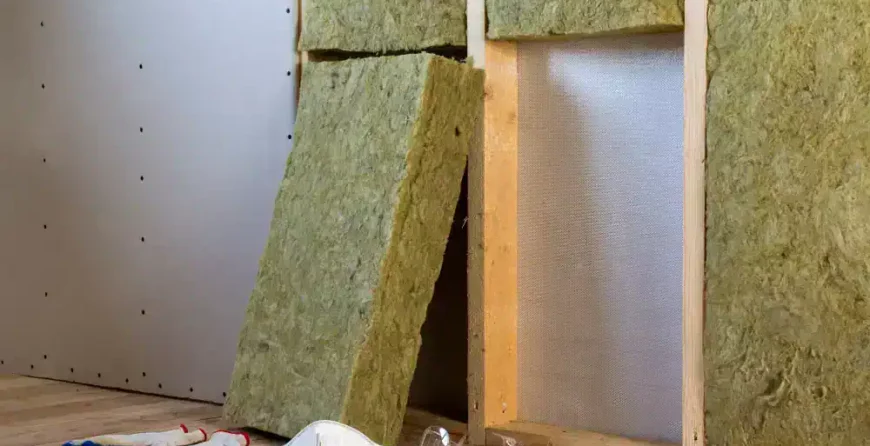
Rockwool, also known as stone wool, is a mineral-based insulation material made from natural volcanic rock. It is manufactured by melting the rock and spinning it into fine fibres that are then formed into boards or mats. This process creates a dense, stable material that performs well across several important areas.
Strong Thermal Performance
One of the primary reasons people choose Rockwool is its ability to help regulate indoor temperatures. The fibrous structure traps air, which slows down the movement of heat through ceilings and walls.
In summer, it helps reduce heat gain from the roof, keeping upper floors cooler for longer. In winter, it helps retain warmth inside the home. Many homeowners notice that well-insulated spaces feel more stable throughout the day, which can reduce the need for constant heating or cooling — particularly useful during periods of high electricity demand.
Excellent Fire Resistance
Rockwool stands out for its fire performance. It is non-combustible and can withstand extremely high temperatures without melting or releasing large amounts of smoke or toxic gases.
This characteristic makes it a popular choice in situations where fire safety is a concern, such as in roof spaces, between floors, or in buildings that require enhanced fire-rated construction. Unlike some other insulation materials, it does not contribute to the spread of fire and maintains its structure even under intense heat.
Good Sound Absorption
Noise is an increasing issue in many South African neighbourhoods, whether from traffic, neighbours, or rain on metal roofing. Rockwool’s dense fibre structure is effective at absorbing sound waves rather than reflecting them.
This makes it useful for improving acoustic comfort in bedrooms, home offices, and living areas. Homeowners who have installed it in ceilings or internal walls often report noticeably quieter indoor environments, especially in homes with corrugated iron roofs that can amplify rain noise.
Moisture Resistance and Durability
Rockwool has natural water-repellent properties. It does not readily absorb moisture, which helps it maintain its performance even in humid coastal conditions. It is also resistant to mould and mildew growth when properly installed.
Because the material holds its shape and thickness over time, it does not sag or compress like some lighter insulation types. This long-term stability means the thermal and acoustic benefits remain consistent for many years, reducing the need for replacement.
Where Rockwool Insulation is Commonly Used
Rockwool boards are versatile and work well in several areas of a typical South African home:
- Ceilings and roof spaces — for thermal comfort and fire safety
- Internal walls and partitions — for both sound and fire performance
- Home offices or media rooms — for improved acoustic privacy
- Renovations or new builds — where long-term durability and safety are priorities
Its combination of properties makes it suitable for both residential and light commercial projects across different climate zones in the country.
Cost and Practical Considerations
Rockwool is generally regarded as a premium insulation option. The upfront cost is usually higher than basic insulation materials, but many people view it as a worthwhile investment because of the combined benefits in thermal performance, fire safety, sound control and longevity.
The total cost of a project depends on factors such as the size of the area, access to the roof or wall cavities, and whether professional installation is used. Proper installation is important to achieve the full performance benefits, especially in fire-rated or acoustic applications.
Homeowners considering Rockwool are advised to speak with experienced suppliers or installers who understand local building practices and can assess the specific requirements of the property.
Is Rockwool the Right Choice?
Rockwool tends to suit homeowners who value a balance of thermal comfort, fire safety, and sound reduction in one material. It is particularly relevant in areas where fire safety is a concern or where noise from roofs or neighbours is an issue.
While the initial investment is higher than some alternatives, the long-term advantages in durability, consistent performance, and peace of mind are what attract many people to this type of insulation.
If you are planning insulation work on your home, understanding the different properties of available materials can help you make a choice that matches your priorities for comfort, safety and efficiency.